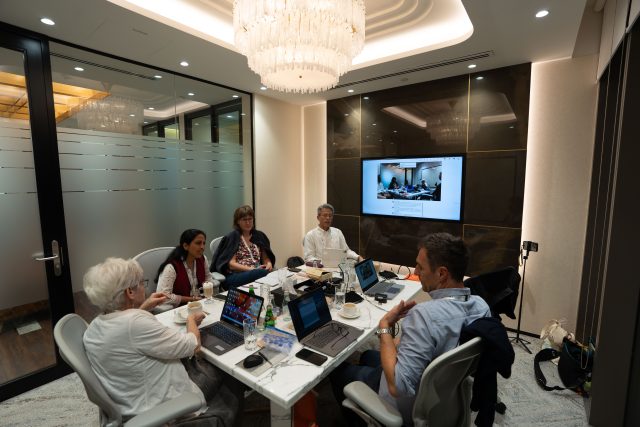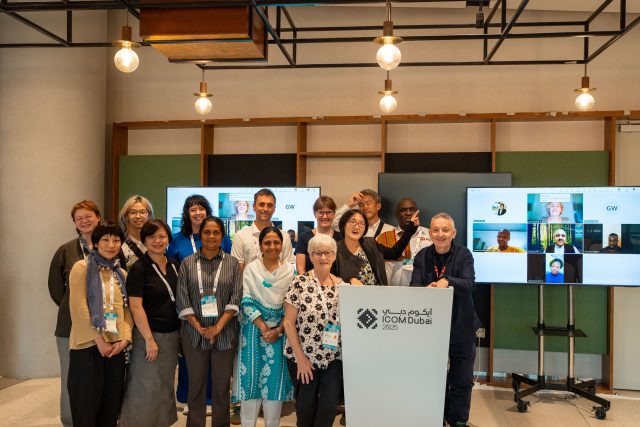
At the ICOM Dubai 2025 General Conference, ICOM NATHIST reaffirmed its core mission of advancing the study of biodiversity, systematic knowledge, and environmental sustainability — while demonstrating, across five collaborative sessions, how natural history museums are evolving from static scientific repositories into active agents for socio-ecological change.
Challenging the Nature–Culture Divide (with UMAC)
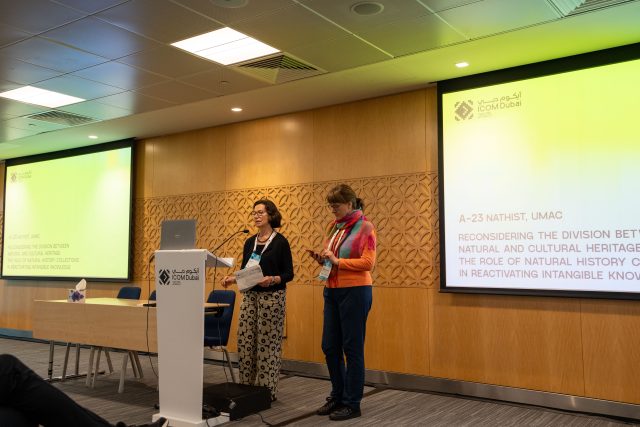
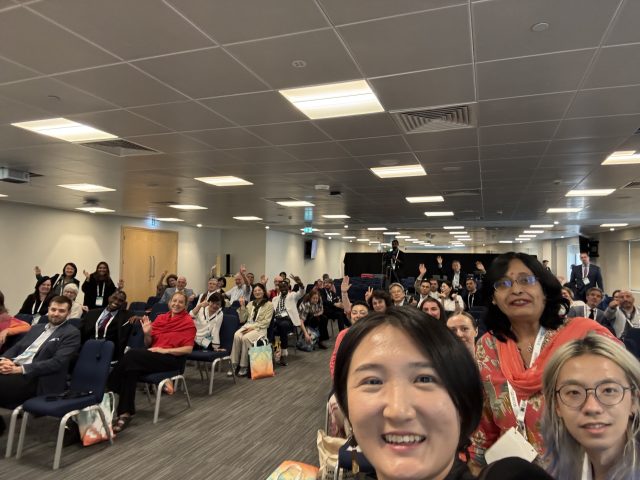
In our joint session with UMAC, we confronted the artificial divide between natural and cultural heritage head-on. Drawing on case studies from Taiwan’s millet cultivation traditions, Japan’s human-centered natural history, and Denmark’s Greenlandic botanical archives, the session made a compelling case: preserving biodiversity is inseparable from safeguarding the intangible cultural knowledge embedded within it. Specimens are not neutral objects — they are hybrid entities, carrying both ecological and human histories. NATHIST advanced the critical need to “rehumanize” collections, recognizing that the communities who have long lived alongside these species are themselves part of the natural record.
Museums as Agents for Environmental Justice (with SUSTAIN)
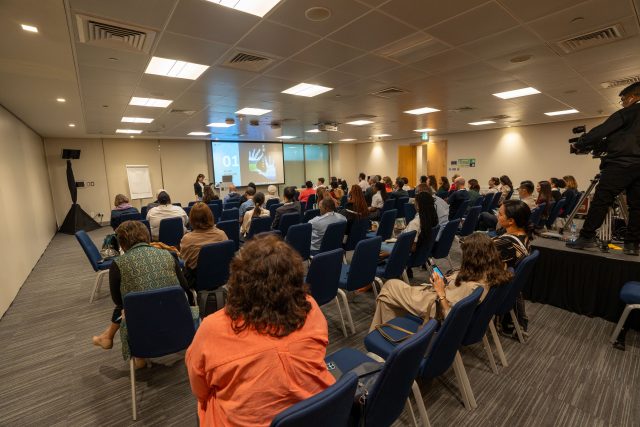
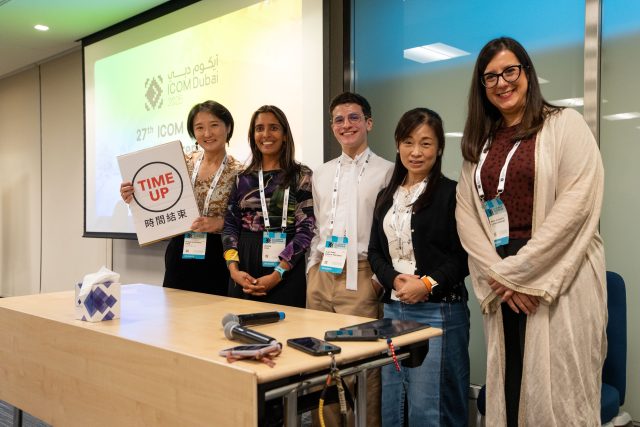
In our first-ever collaboration with SUSTAIN, the conversation turned to museums as civic platforms for climate action and environmental justice. Costa Rica’s model of “restorative museology” for coastal communities, TERRA’s nature-based solutions in Dubai, and Taiwan’s Lanyang Ecomuseum each illustrated a shared principle: genuine sustainability is not delivered to communities but built with them. Reciprocal co-creation — where museums position themselves as partners rather than authorities — is what transforms institutions into dynamic agents for ecological resilience.
Generating Cultural Dissonance in Science Education (with CECA and CIMUSET)
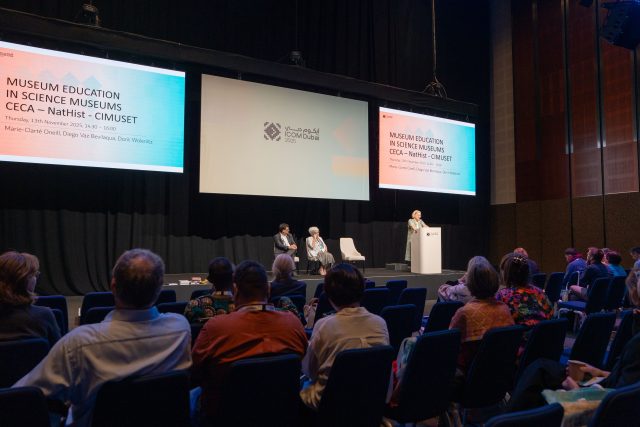
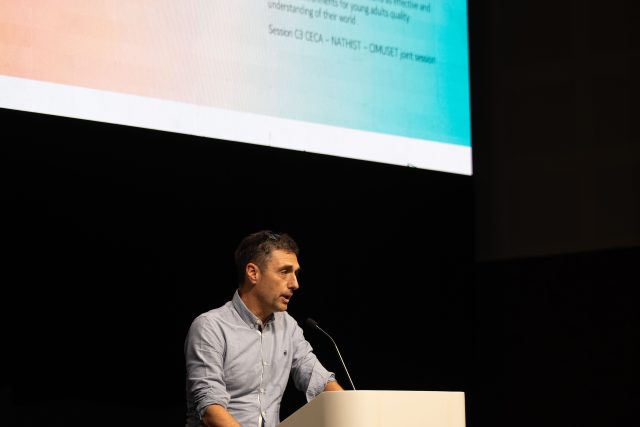
Engaging young people in the intersecting crises of biodiversity loss and climate change demands more than updated content — it requires pedagogical courage. In our joint session with CECA and CIMUSET, NATHIST explored how the concept of the “Anthropocene” can be used deliberately to generate cultural dissonance: disrupting assumptions, unsettling comfortable narratives, and inviting learners to genuinely reckon with the human-nature relationship. Case studies from Switzerland, Mexico’s peer-mediation approaches, and exhibition design research on the “semantic gap” all pointed toward a richer, more reflective science education — one that reaches young adults precisely because it does not speak down to them.
Digital Technologies as Interpretive Layers (IC Day — Morning Session)
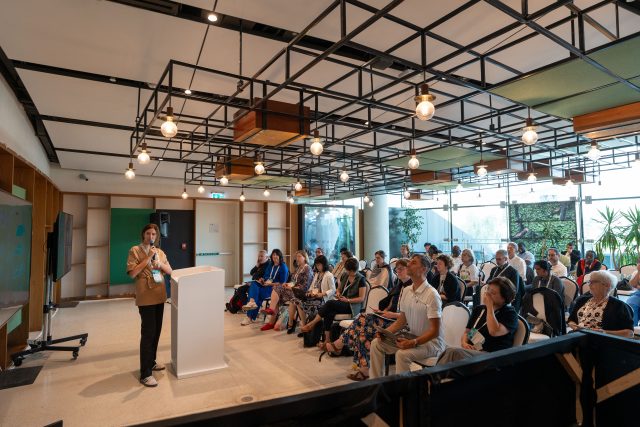
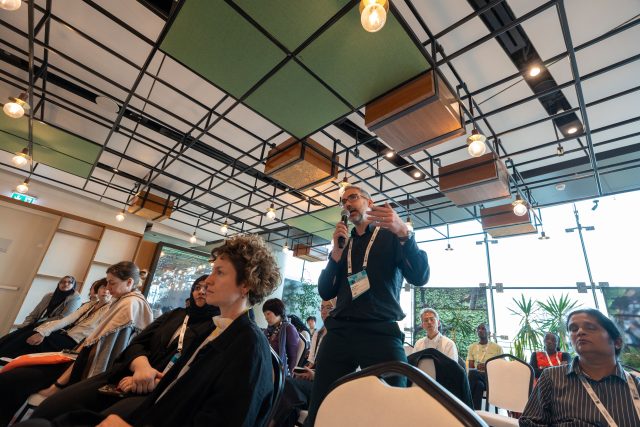
Our first IC Day session examined the wave of digital transformation reshaping natural history museums worldwide — from the ambitious digitization of the Philippine National Herbarium to immersive XR dioramas in Taiwan and Crete. The session celebrated these breakthroughs while issuing an important caution: digital technologies must function as interpretive layers that guide visitors back to authentic nature, not substitutes for it. The irreplaceable, multisensory experience of encountering a biological specimen — its scale, texture, and presence — remains at the heart of what natural history museums offer. Technology serves that encounter; it should not eclipse it.
Learning to Receive Indigenous Wisdom (IC Day — Afternoon Session)
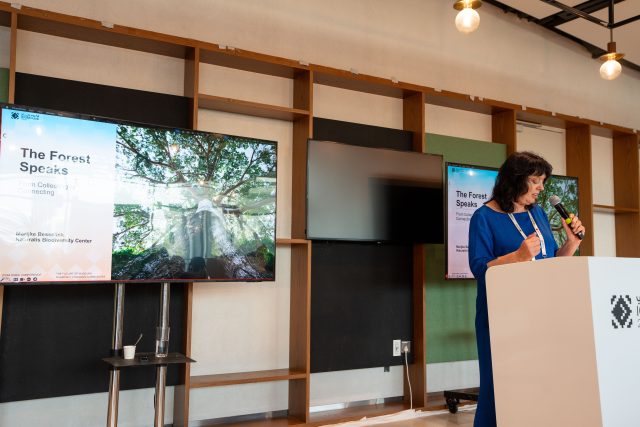
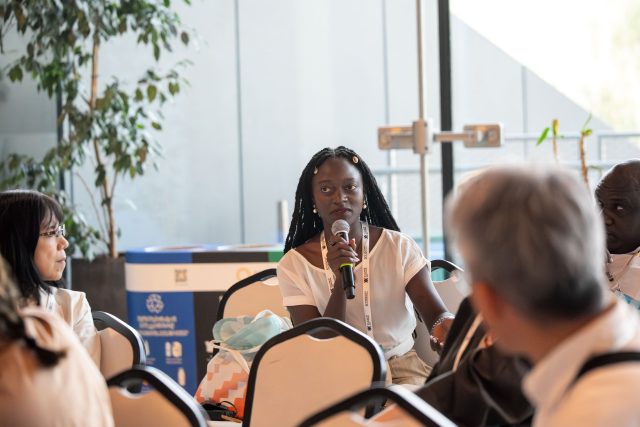
The second IC Day session addressed one of the most pressing ethical frontiers in our field: how to exhibit Traditional Ecological Knowledge (TEK) with integrity. From Abu Dhabi’s collaboration with local rangers in the discovery of seven-million-year-old fossils, to the “Forest of Suriname” exhibition’s recognition of nature as a living relationship rather than a collection of objects, the session arrived at a conclusion that challenges the entire posture of scientific institutions. Genuine decolonization is not achieved by including Indigenous content within existing frameworks — it requires museums to move beyond colonial extraction and learn, in a fundamental sense, to receive Indigenous wisdom: to be changed by it.
NATHIST at Dubai 2025 brought together professionals from across the globe to advance a vision of natural history museums that is both scientifically rigorous and ethically grounded — institutions capable of holding taxonomic precision and living knowledge systems not as opposites, but as partners.